Thinking about stretching time – and contracting a life to a page.
Podcast: Play in new window | Download
Thinking about stretching time – and contracting a life to a page.
Podcast: Play in new window | Download

A crackly recording made during a walk on Knocklofty accompanied by crows.
Podcast: Play in new window | Download
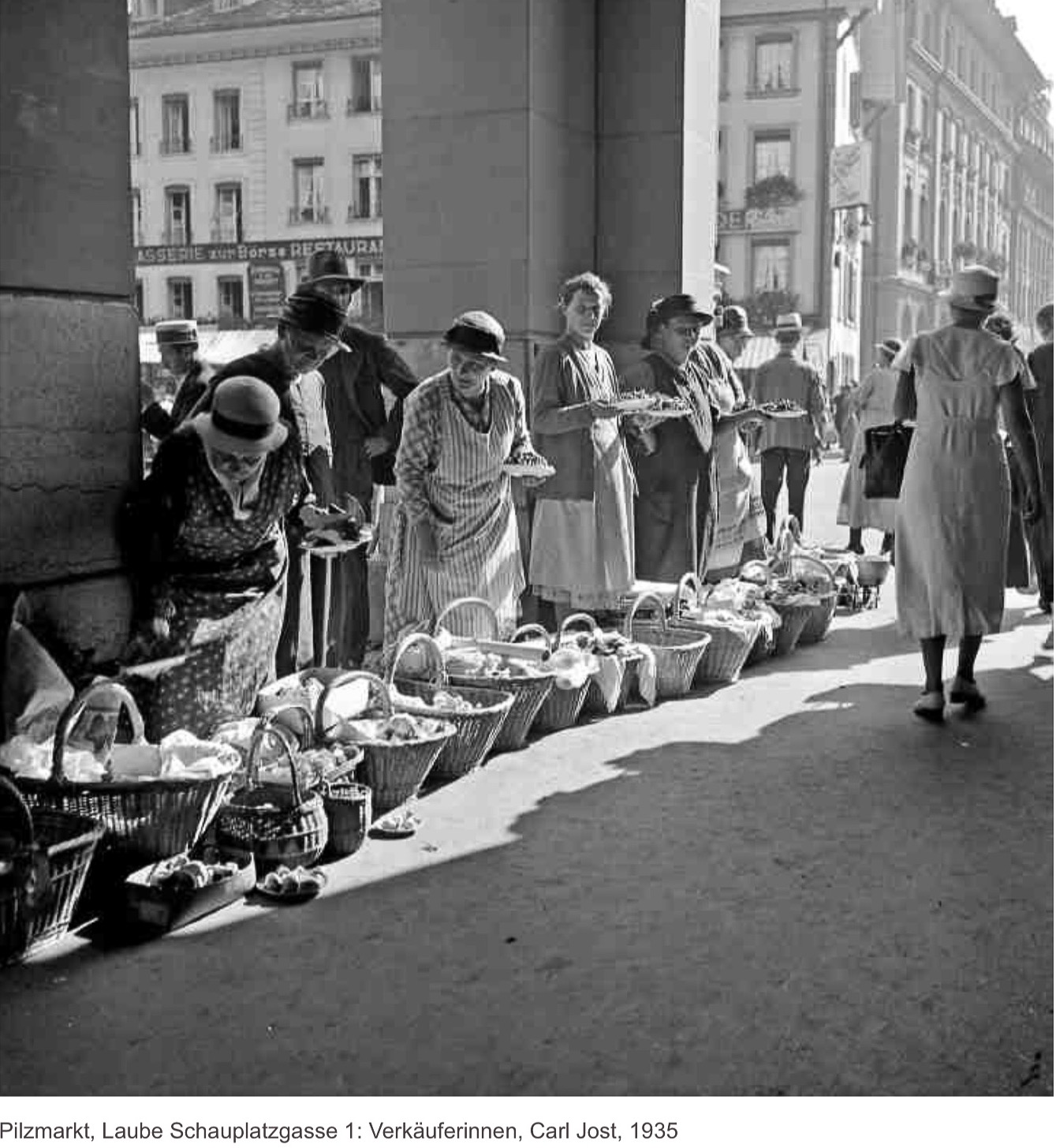
A day of hurtling down a rabbit hole and losing myself in old photographs of Bern.
Podcast: Play in new window | Download

Recovering from writing murmurs with a gentle day of napping, voting and drawing intentions.
Podcast: Play in new window | Download
I do sometimes find that things can get into a terrible muddle all by themselves, and they do it with such speed that there is no possible way of countering the process. But the other day, when I was trying to locate a map, the whole jolly caboodle of charts and travel books and guides cascaded onto the floor. Fate had spoken. I would at least look at this muddle, and perhaps separate it roughly into continents, before I pushed it back onto the shelf.
As you may have already gathered, it does not take much to take me off my intended course and this time it was a timetable that garnered my attention. Thomas Cook. Continental. Some forty years old or more. Before you could say Waterloo the pile was forgotten, and I was an adventurous young mole sitting on a suitcase in the corridor of an SNCF train. The corridor was thick with the smoke of Gauloises. At one end soldiers jostled each other and made lewd remarks at the other was the WC; the stench was unmistakable. It was the middle of the night, perhaps two or three a.m. A couple of fellow passengers and I pooled resources and made a picnic of salami, wine and chestnut vermicelli tarts. We discussed Jung, I seem to remember. Or was it Dickens; there were so many journeys. I to-ed and fro-ed on the night train between England and Switzerland for several years. The train was where I belonged, this inbetween space, it felt more like home than either destination.
When I read not long ago that this night train no longer existed I felt as if my burrow had been demolished. Had I been on the right continent I’d have put on my jim-jams and joined the other passengers who gathered at stations in Geneva, Madrid, Berlin, Vienna, Paris, Dortmund, Copenhagen, Odense, Hamburg, Basel and Bern in protest at the cuts to night trains being made across Europe.
Railways must be in my mole-blood: all those generations of geologists and tunnellers. I have to admit that Great Uncle Mole’s photographs of engines and enthusiasm for gauges often sent me into a stupor, but the trains themselves, the smell of soot, the squeal of tracks, they stirred my young mole-soul.
I was a very young mole indeed (and would have been asleep except I had been reading the Secret Seven under my bedclothes), when I heard Great Uncle Mole and Uncle Ratty arguing. I remember it because although they often bantered this was the first and only time I’d heard them go at it hammer and tongs. At the heart of it, so it seemed to my artless ears, was a chum of Great Uncle Mole’s, some chap he was working with at the Ministry for Transport and whose actions he was now defending with some vehemence. Words like meticulousness, integrity and logic, whose meanings defied me, were ricocheting off the walls, although it has to be said, with less passion than Uncle Ratty’s. Hadn’t the last war shown us where mechanical logic took you, Uncle Ratty wailed. Hadn’t we had enough of that? He appealed to Mole’s sense of romance, his sense of history, his empathy. Hadn’t Mole spent much of his life travelling between far-flung places, finding ways of drawing closer the four corners of the earth. Wasn’t it Mole who had designed tracks and tunnels. And how about those happy hours they’d spent in cosy railway carriages, smoking their pipes, reading, scheming and playing word-games as the countryside hurtled by?
When I visited them later that year Great Uncle Mole and Uncle Ratty had found their peace but the burrow was in upheaval. No sooner had I arrived than I was press-ganged into emptying what we called the attic (you may think an attic a strange appendage for a burrow but Great Uncle Mole had cunningly located his home at the foot of a small hill, so while most of the chambers were below the entrance, there was one very large one above it). It was no mean feat, the attic was stuffed to the gunnels and every last pin had to be carried down to the cellar where a new chamber had been added. In my less willing moments I did rather wonder whether its completion had been timed to coincide with my stay, especially when both Great Uncle Mole and Uncle Ratty refused point blank to tell me what this space was for. But at the end of our labours they took me on a surprise holiday to see Great Uncle Mole’s cousins who were scattered around Wales. We reached them by a veritable entanglement of railway lines, through hills and valleys across marshes and along the coast, and spent a good deal longer in trains and at stations than we did in the parlours of our molekin. Our sojourns at the stations had less to do with erratic timetables than Great Uncle Mole’s determination to sketch and photograph every detail and Uncle Ratty coaxing stories out of the railwaymen. But I was happy as a mole can be with the new chums I had made on the journey and the buns we got in the railway tearooms.
The next time I visited, they allowed me into the attic. I had to swear from the bottom of my mole-heart that I would tell no-one. To be honest I was none the wiser when they opened the door. There were piles of newspaper, roles of wire-netting, some lengths of wood and sheets of ply-board. Technical drawings covered almost every inch of the wall, and on these were pinned the snaps and sketches Great Uncle Mole had made in Wales.
They were building a model railway, they said or, more accurately, they were building a model of Wales and the railways we had travelled on. It was a way of remembering them because in a few years time those railway lines would no longer exist.
Those holidays I spent shredding newspapers and soaking them in water while Great Uncle Mole painstakingly marked heights and gradients and distances onto the huge low table he and Uncle Ratty had constructed. Uncle Ratty snipped wire and sang Chattanooga Choo Choo even though Great Uncle Mole thought it not quite the thing.
It was true that those railway lines gradually disappeared. All but one, that is. There was later a rumour that there had been a Whitehall mole who’d not only leaked a top secret report on line closures to the press but also secretly funded one of the lines so that it appeared more profitable and was saved from the cuts.
I did rather wonder who that mole was.
Building a model of Europe to remember the night trains is beyond me. Nor can I see myself funding a wagons-lit service. But I can hold onto my Thomas Cook Continental Timetable. It is as good as a diary of the journeys I took, and of those not taken.
Flanders & Swann On the Slow Train
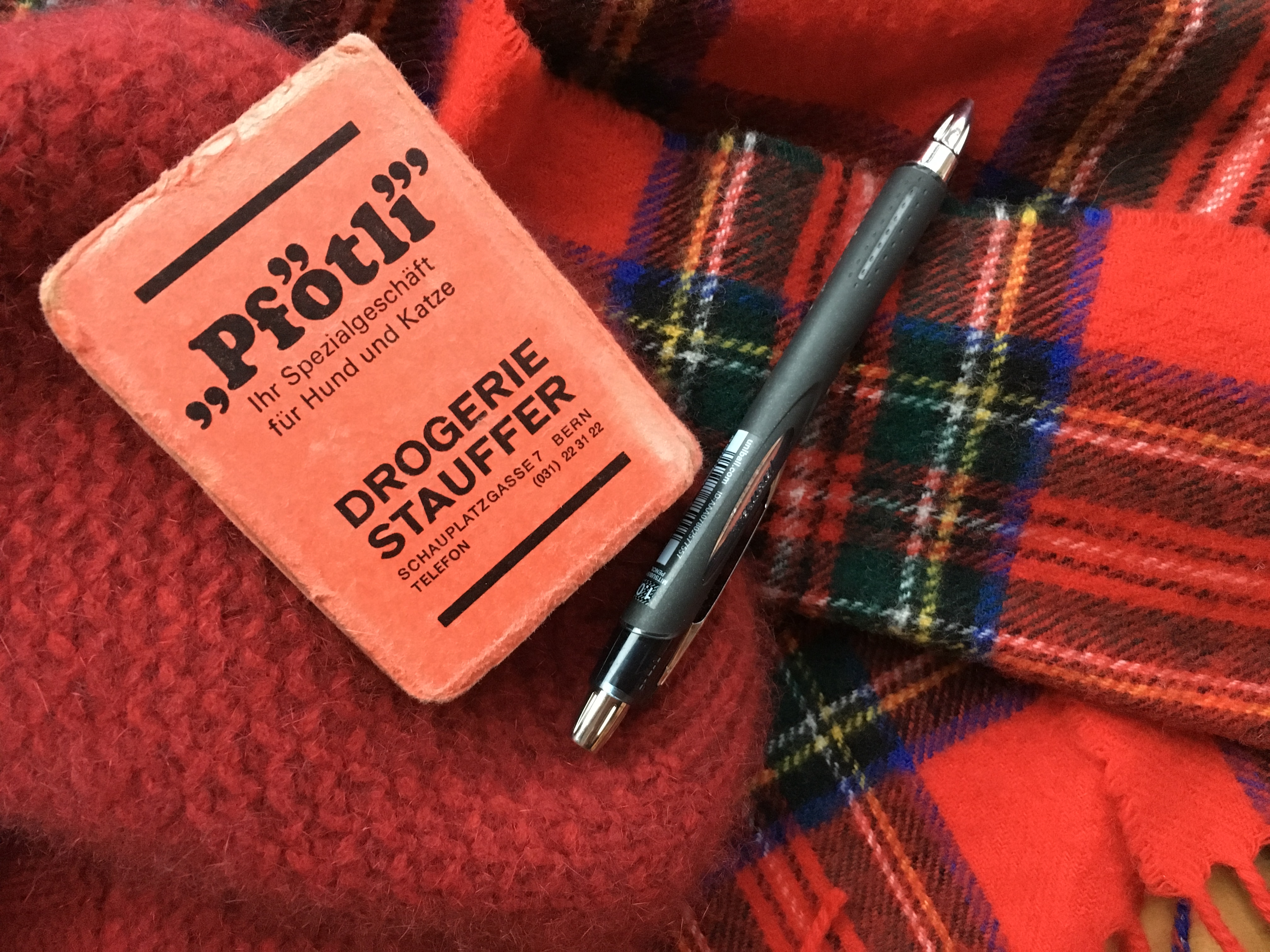
Walking with a notebook on a heavy grey day and enjoying this midwinter.
Podcast: Play in new window | Download
Mulling about the latest sunrise, being halfway through the year and my changing approaches to planning and reviews.
Podcast: Play in new window | Download
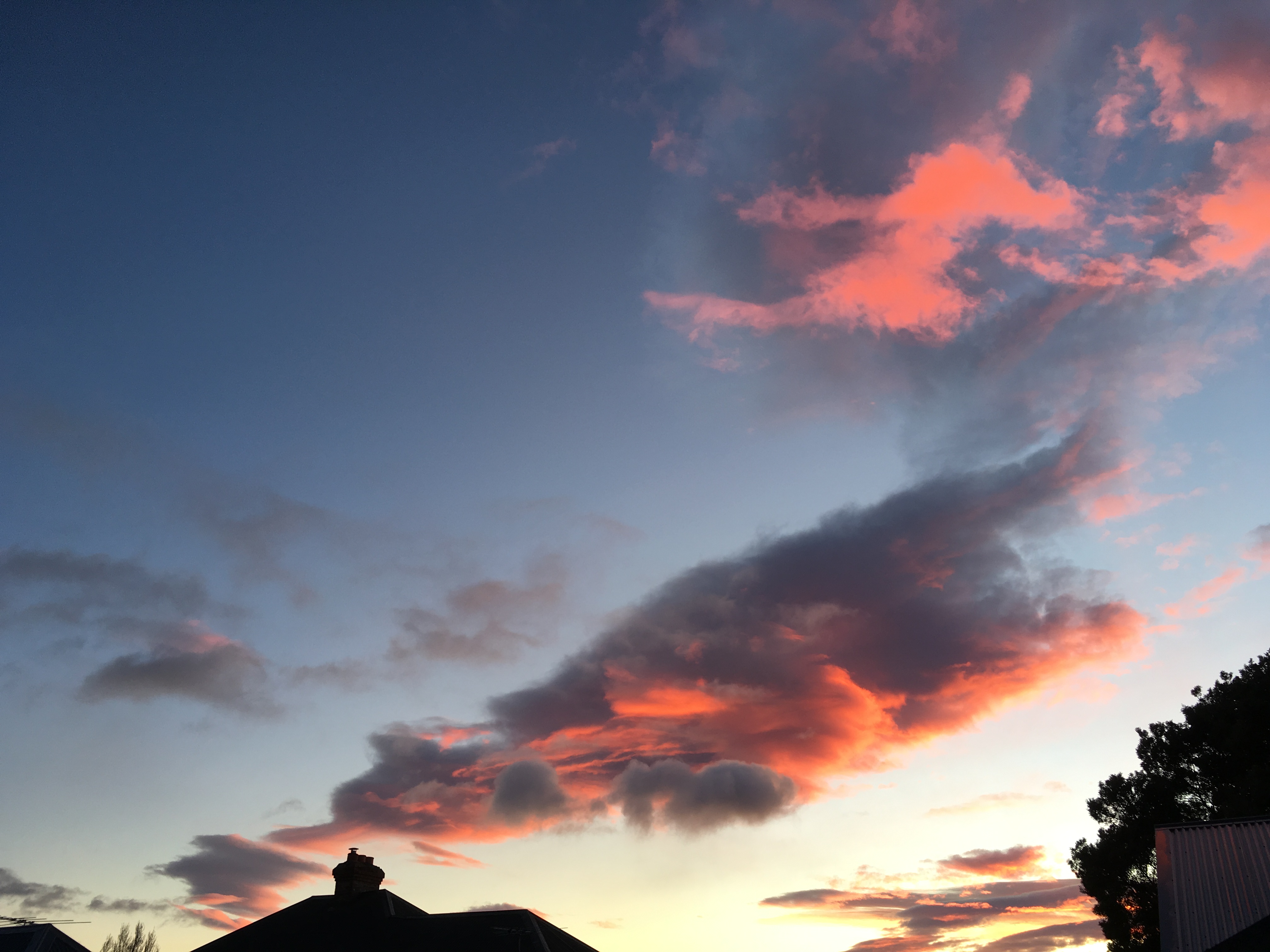
Restoring myself with drawing and walking at the end of the day and clearing my head of technology.
Podcast: Play in new window | Download

Sitting in the belltower after a re-energising Qi Gong class and reflecting on a day of translation.
Podcast: Play in new window | Download