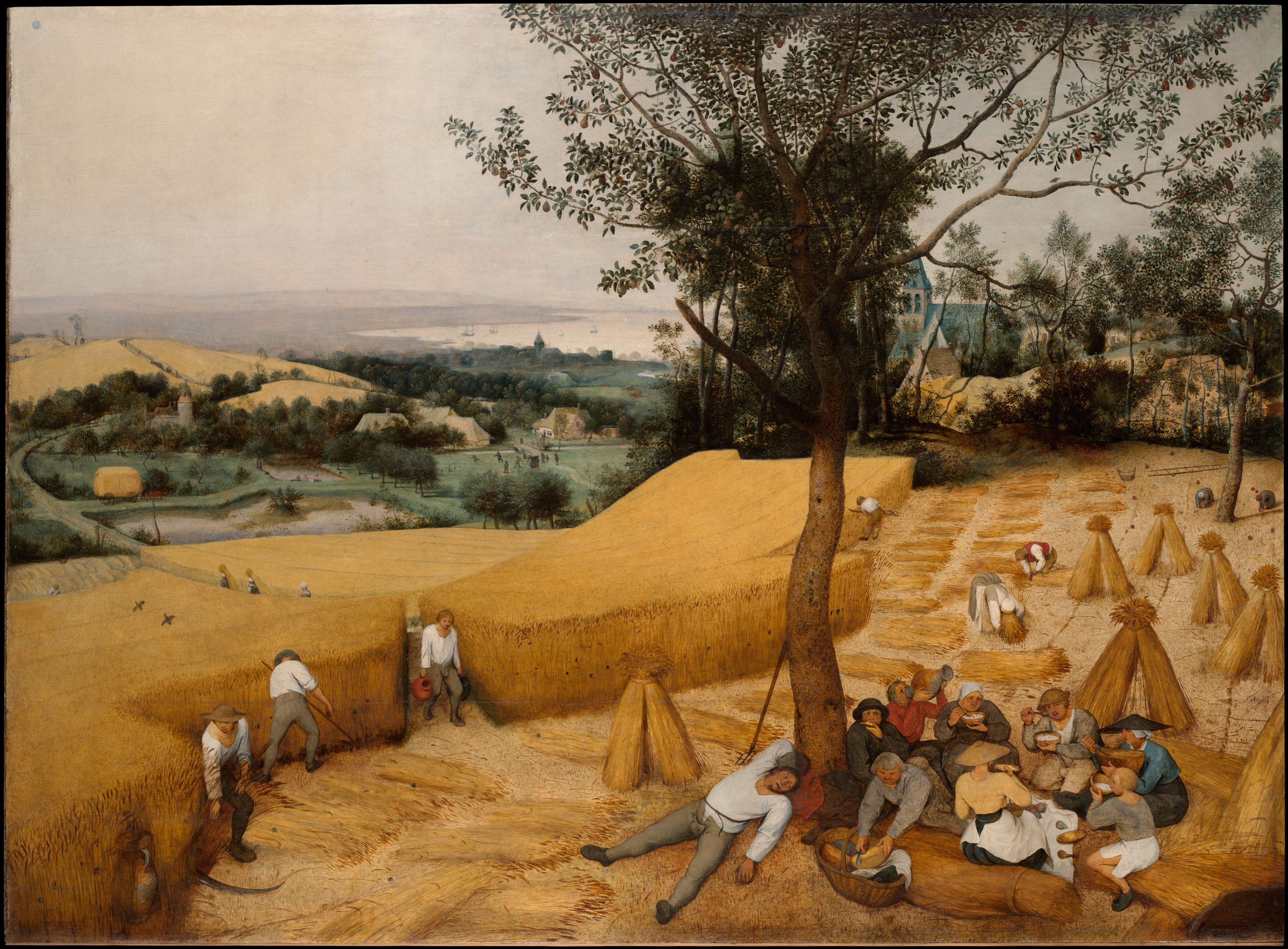
Listening to BBC Radio 4’s Moving Pictureschanges my writing perceptions.
Listening to BBC Radio 4’s Moving Pictureschanges my writing perceptions.
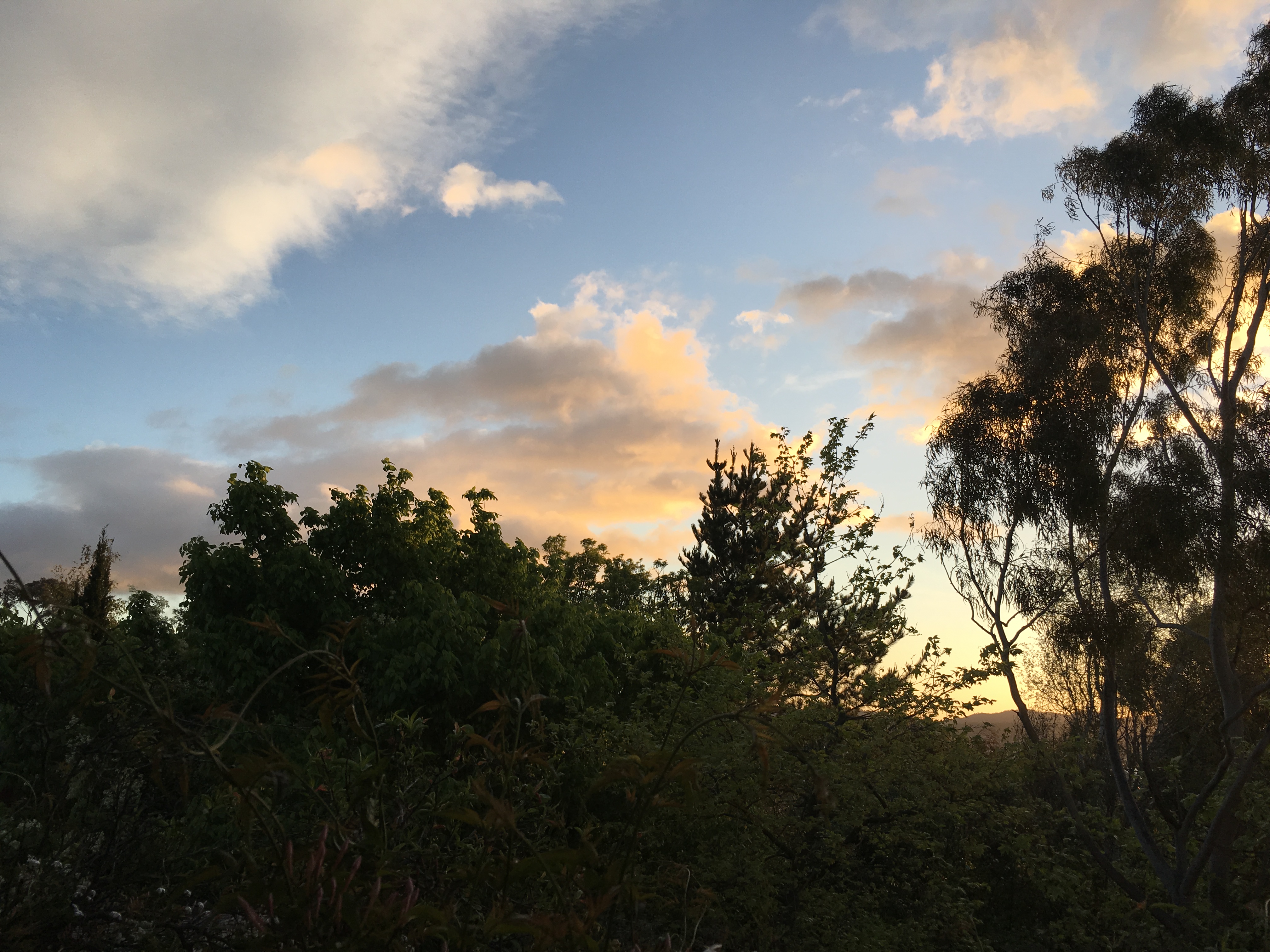
Two woolly jumpers and a scarf and a heater. Enjoying writing inside while gales blow outside.
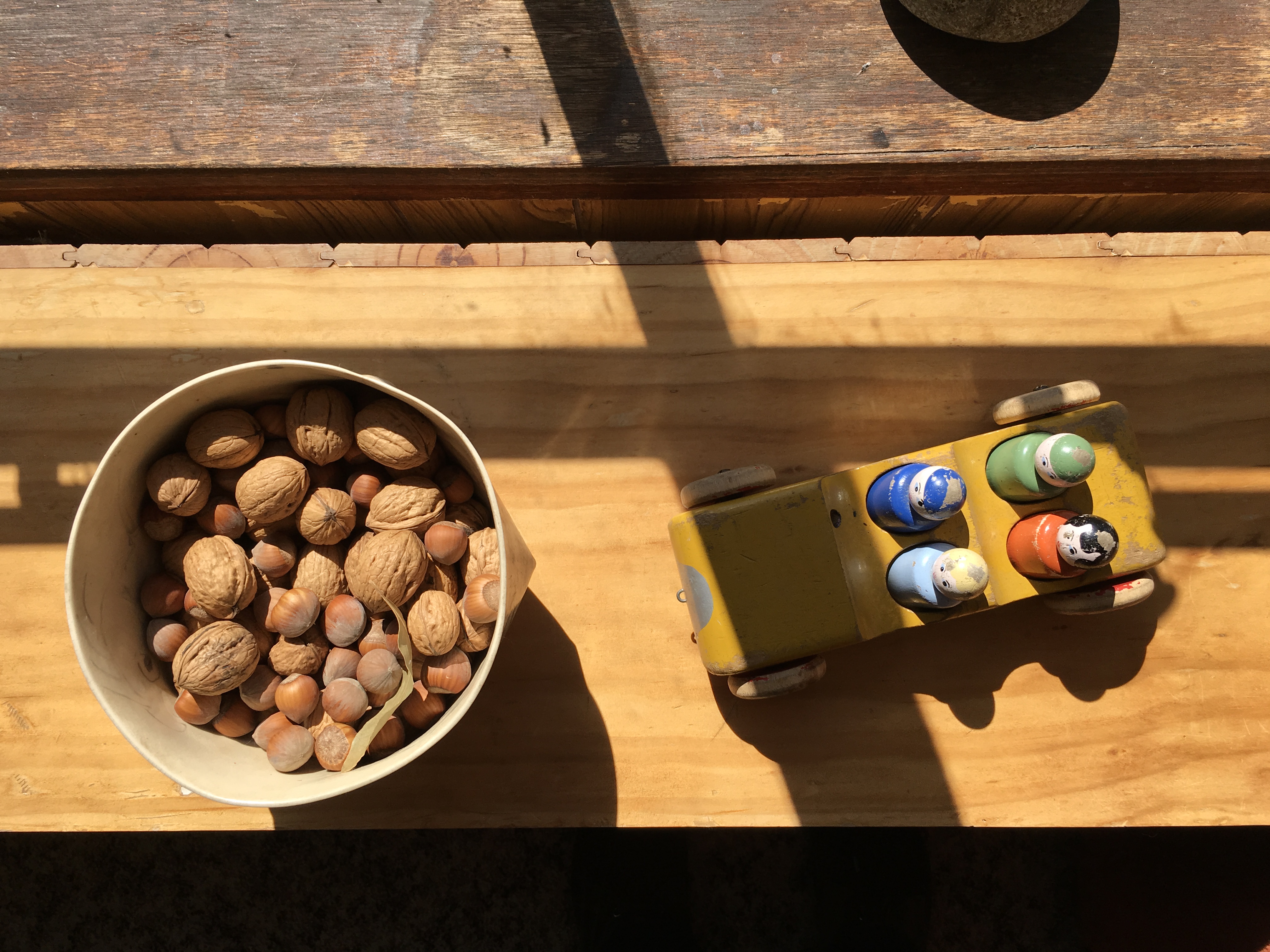
A lovely writing day. I delight in bursts of sunshine but overplay my hand with my washing.
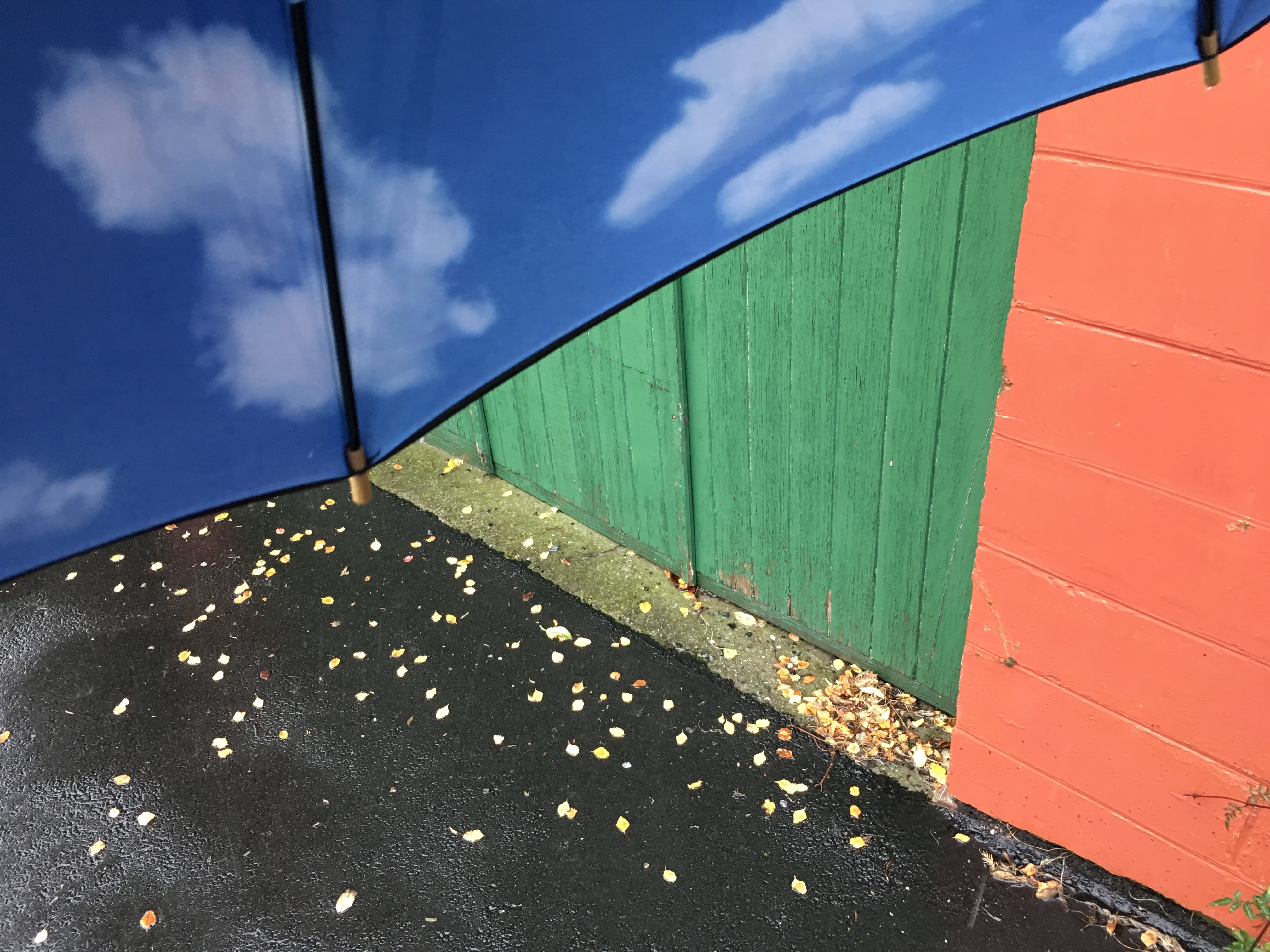
Standing by for a life change and trying to live in the moment.
On my desk I have a lethal-looking spike set in a cast iron base. My first encounter with it was over half a century ago. We had been called to Worthing by Great Uncle Mole’s Aunt Hortense, summoned would be a better word; a family conference of some kind. It was my one and only sighting of Aunt Hortense although she never ceased to be a talking point. I must have been very small because in spite of the two telephone directories that had been put on my chair to raise me up, my eye level was only just above the massive desk at which the Grande Dame of Marine Parade sat.
At first I was entirely absorbed by the spectacle: the semi-circle of black-suited moles one side of the desk and this… this… Being on the other. Looking back, and having absorbed the scraps of information that float about in families, I feel that I am rather literally re-membering the event with this hindsight. I now know that Aunt Hortense enjoyed a brief but lucrative career on the stage, bought herself a large terraced house (much to the chagrin of her strait-laced molekin whose burrows were on the humble side), and with the backing of a Swiss impresario (named, I think, Seebold) became the sought after landlady for the stars of visiting repertory companies.
I think what so fascinated me as a nipper was the feeling that the formidable, bespectacled, austere mole who sat at the desk was not real. Now I realise that we were being subjected to a performance, and had we been there on another day, for another occasion, we might have met a Moulin Rouge chorus girl or Lady Macbeth.
Fascinated though I might have been, I soon tired of adult conversation, and turned my attention to the spike. It was right in front of my snout and had, in fact, partly obscured my sight of Aunt Hortense. I was not interested in the pieces of paper had been impaled on it, but looped around the base was a piece of string, and dangling from that (and over the edge of the desk) a small key and a label, softened with age.
I tried, by turning my head upside down, to see what it said on the label. The second word seemed to be ‘yakdar’. The first word was faint and in joined up writing. I took hold of the label to see if that made it clearer but I must have pulled too hard because the spike toppled off the desk, summersaulted and pierced me in the hindleg.
Later, much later, when my leg had been bandaged and we were back at Great Uncle Mole’s (and he had gone down to his study to go through some papers), I asked Uncle Ratty what a yakdar was. He was a well travelled sort of a cove, but even he seemed puzzled. He rolled the word around, trying it with different intonation. Eventually he said that all he could think of was that it was a fishing boat, but then after a little while he remembered a saying that was used by Persian sailors: ‘yak dar basta sad dar baz’ that meant something along the lines of ‘when one door closes a hundred others open’. It seemed a perfectly good answer to me and in some strange way I thought the key must relate to those doors.
After his Aunt Hortense died, the deadly spike sat on Great Uncle Mole’s desk. The bills that had been pierced on to it may have been different, but the tag and the key still remained looped at its base. I don’t remember anyone actually referring to the spike by name, at least not until I was on some errand with my Papa. I remember we were in an office two stories above a Gentlemen’s Outfitters just off one of the market squares in Bern. A sleek mole sat the other side of yet another expanse of desk. A spike sat in almost the same position as Aunt Hortense’s, and I felt my hindleg twitching with apprehension. My Papa and the sleek mole exchanged envelopes, and then the sleek mole reached into one of his drawers, pulled out a piece of paper, and with a flourish of occasion impaled it on the spike saying (in a voice as slippery as seaweed): ‘And onto the oubliette’.
An oubliette. What a splendid thing! A place to put something you want to forget, and not just somewhere to put it but a sort of ritual action; taking a present concern and spiking it into the past. And if not quite forgetting then at least letting it go; or letting it go to some degree.
But is it? Or is the very point of the oubliette to keep those things relegated to the past, firmly in view. What was it that the sleek mole pierced onto the oubliette? An I.O.U.? Was it placed there with such flourish to demonstrate to my Papa that there was a truce, but that it might not be permanent.
And what of the string and the key and the label that graced the spike on the desk of Aunt Hortense, and that of Great Uncle Mole, and now mine? They have not been there to forget but to remember.
It was several years after my first experience with Aunt Hortense’s oubliette. Uncle Ratty and I were in Great Uncle Mole’s study. We were searching for some tracing paper, I can’t remember what for, and I saw the label again.
‘Yak dar basta sad dar baz’, I said.
‘Eh!’ said Uncle Ratty.
‘The label’, I said. ‘Yakdar.’
He squinted at it. ‘Yakdan’.
It looked like an ‘r’ to me.
We found the tracing paper and I thought no more about the Yakdar/Yakdan; that is not until the other day when I was browsing reading an account of a journey over the Khyber Pass by an intrepid lady mole in 1891. She had, she wrote, two Yakdans for her luggage. They were strapped together so that they hung either side of her mule’s during the day’s trek. And at night, after pitching a tent, she hauled them off the mule’s back, and set them up a mole length apart. She attached two poles to them, between which was laced a stretch of canvas. My heart palpitated. This was the very kind of bed I slept on when I used to stay at Great Uncle Mole’s. But I had never thought to wonder about the trunks that propped it up, the Yakdans.
The book, a foxed and rather musty thing, was inscribed: ‘To Hortense, with whom this journey would have been shared had she been a little older.’
What did the key mean to Aunt Hortense, to Great Uncle Mole? What is the now entirely illegible name on the label?
Is there a Yakdan among the trunks in the cellar?
I sit at my table. The oubliette is perched precariously close to the edge. I twiddle it and watch the key swing.
My hind-leg twitches.

A tempest, writing, faffing (and doing something about it).
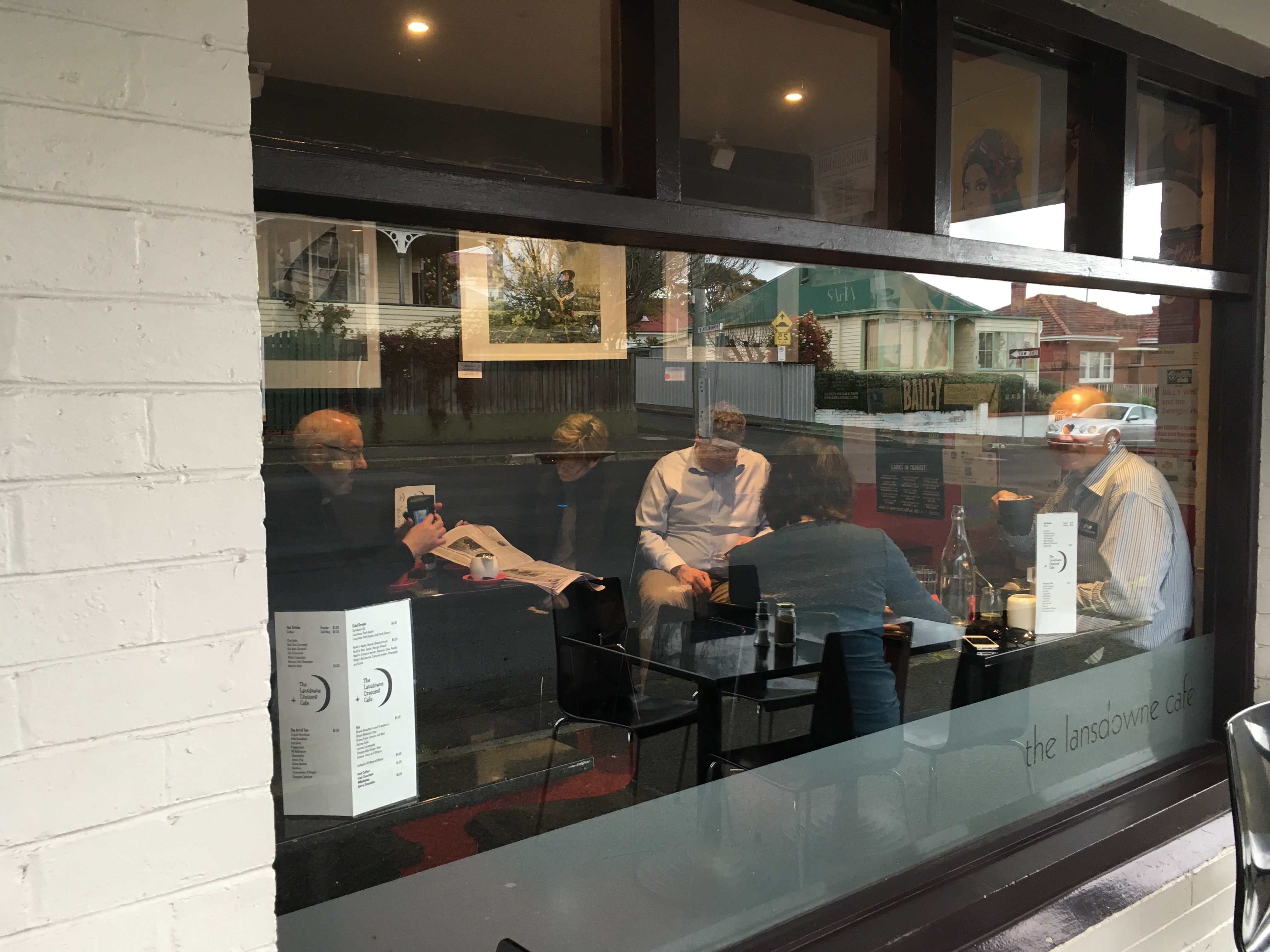
A wild and woolly day, a midday treat, and pleasure in writing murmurs.
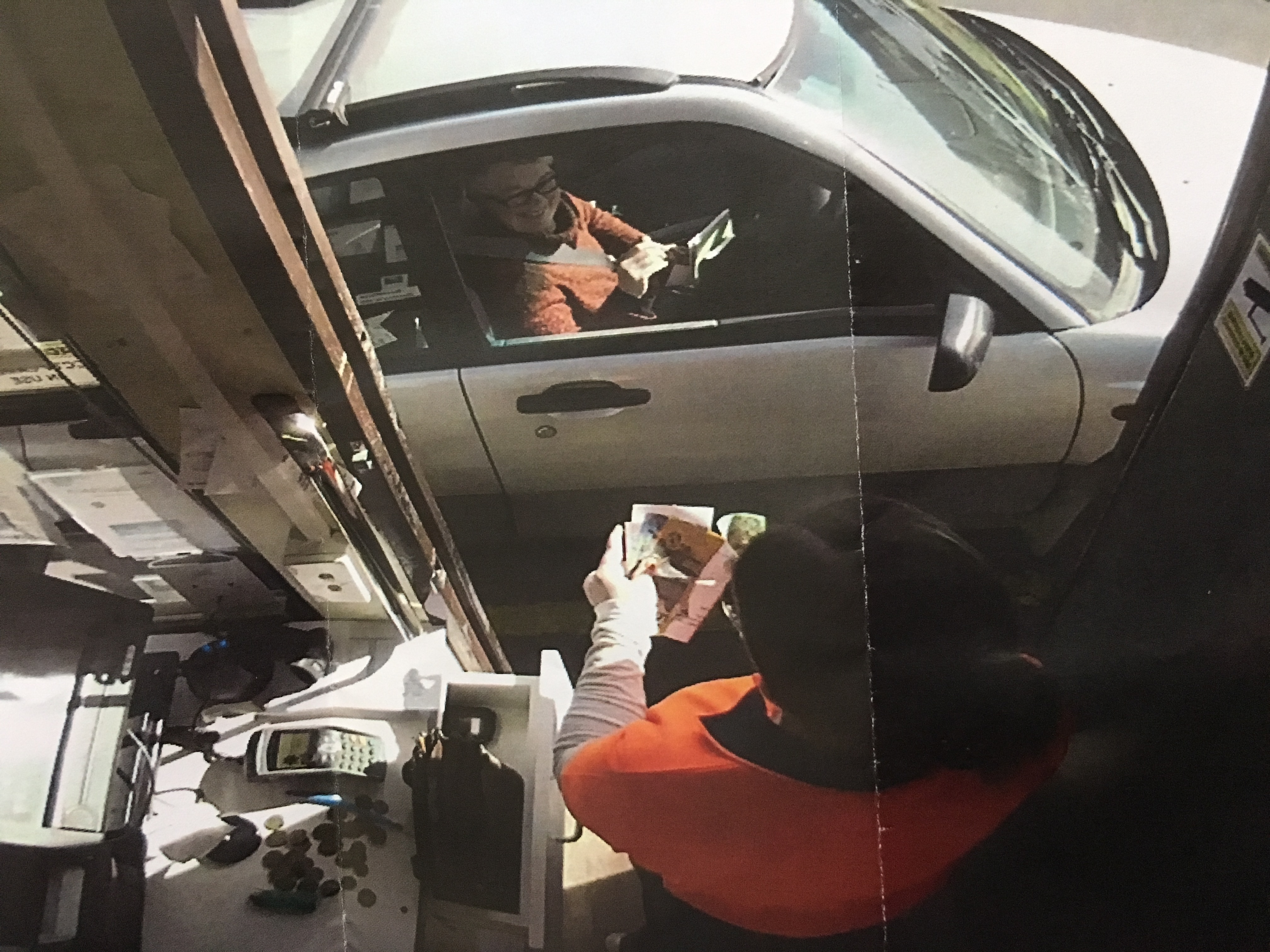
A letter this morning begins a day of seeing myself in third person.
A glorious day unfolding with writing, walking and an evening with my Hexenschuss group.
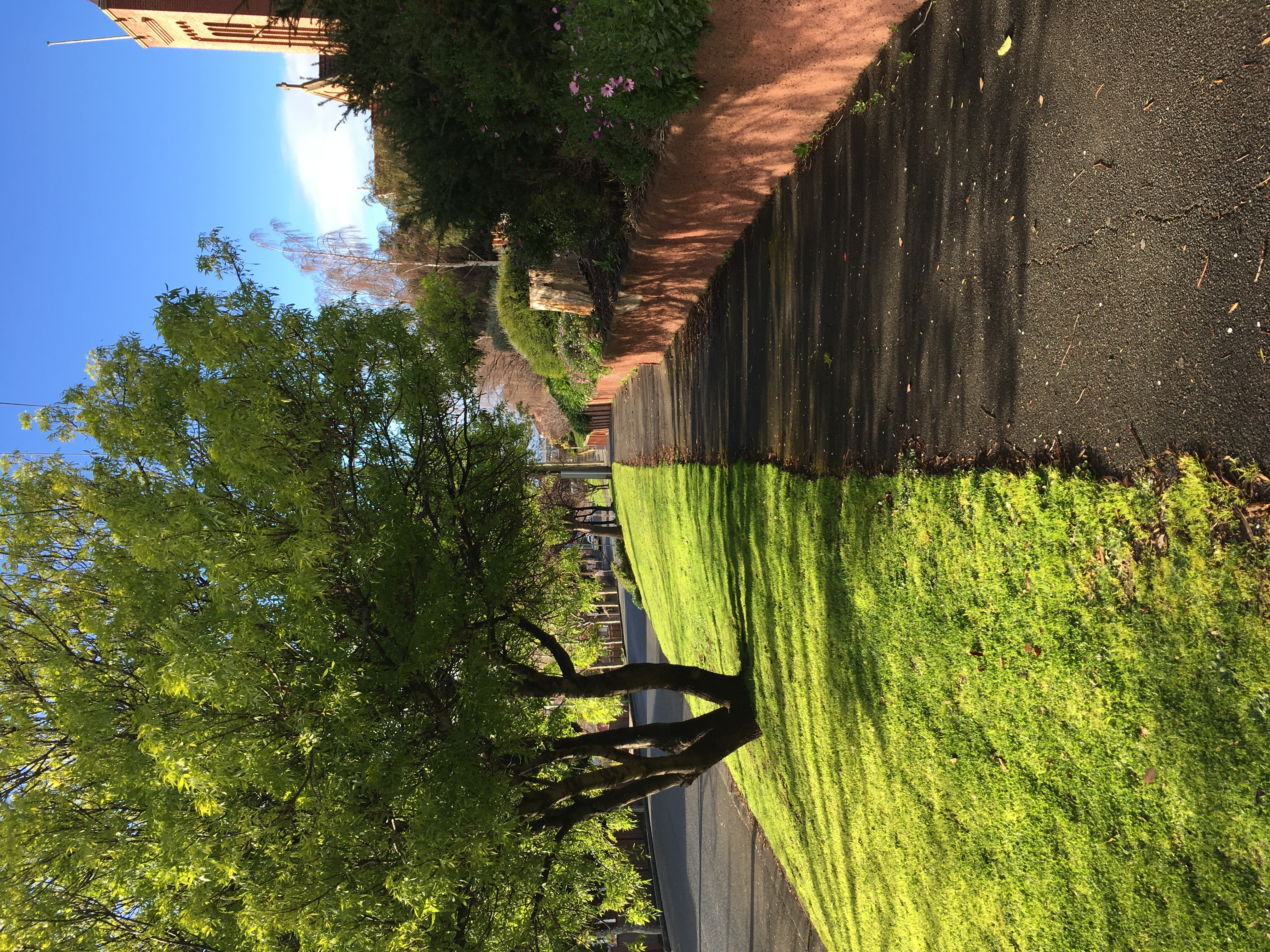
Feeling relaxed after all my Qi Gong and enjoying the sense of ease it brings to my writing.