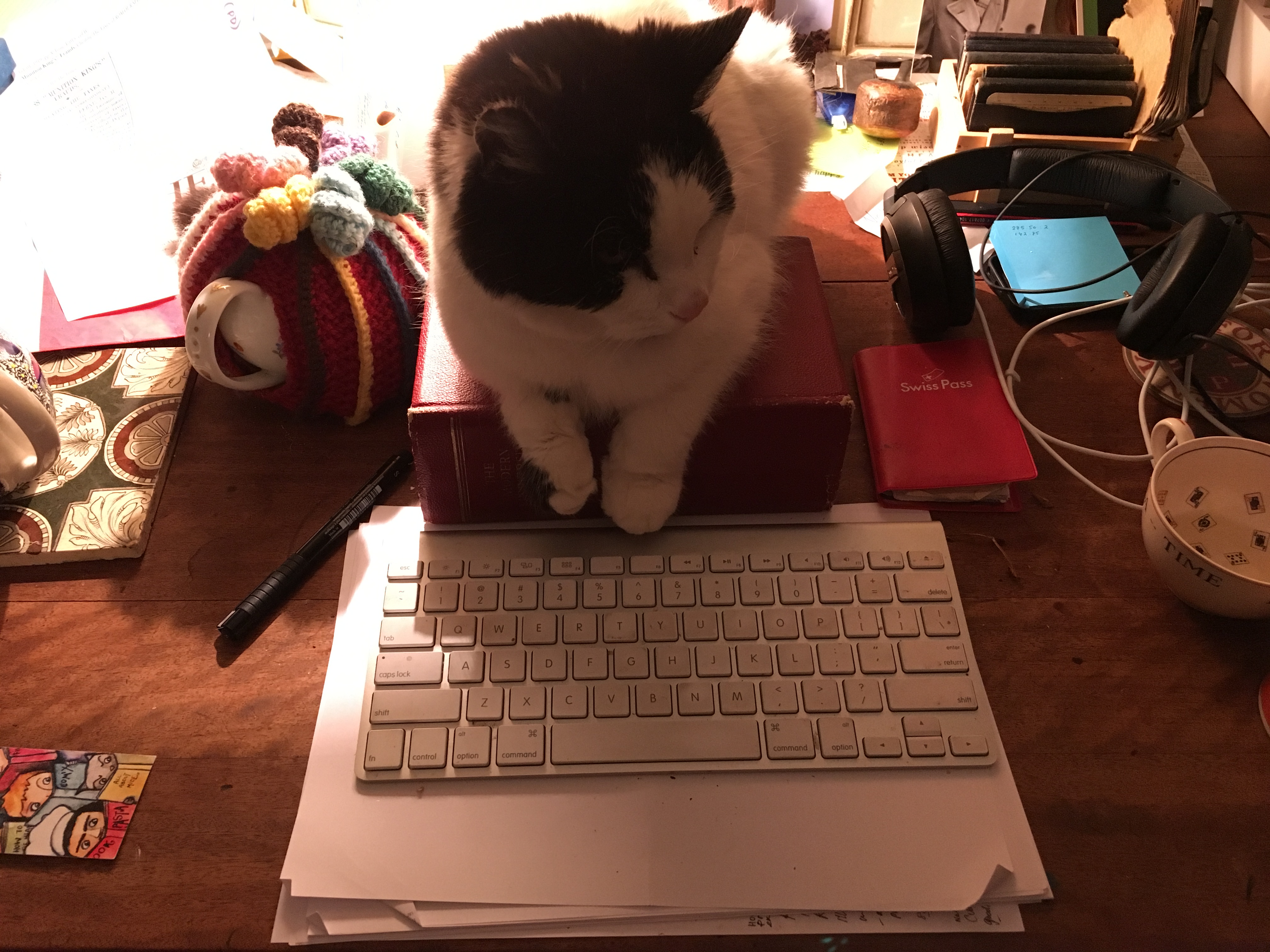
Feeling relaxed and tired after a day of Guigen QiGong at Cygnet.
Feeling relaxed and tired after a day of Guigen QiGong at Cygnet.
The other day I was looking again at the lyrics of the Marseillaise the Chelsea Rat had printed for me after the great storm; well not the bloodthirsty lyrics so much as the font. It is lightly seriffed and in one or two cases, particularly at the beginning of the third and fourth verse, the tongue of the Q has such a long flourish it underscores the u next to it. I remembered then the old typesetter sitting in Great Uncle Mole’s chair, placing slugs into his composing stick as he gathered his fragmented self back into his skin, and how sometimes there would be a slug that held a letter that didn’t fit on its shank. It reminded me of the way one’s paw sometimes flings off a sheet on a hot night and sticks itself out over the side of the bed so that the air can circulate around it.
Recently my burrow underwent a transformation. No walls were ripped down, nor chambers added, no paint was applied, nor was much done in the way of tidying up. A room was prepared; but that in itself, although symptomatic, was not the transformation.
I have become used to the boundaries created by the walls of my burrow. They have become so immutable that I rarely have to negotiate them. I am free to potter about, write wherever the mood takes me, graze from time to time, puff myself up, shrink myself down, snooze or sing. I am surrounded by a kind of – I was going to say white-space, but that most emphatically is not the kind of space within the walls of my burrow. I am surrounded by the flotsam and jetsam of a lifetime’s accumulation; not just my lifetime either because of course in my cellar I have the bits and pieces Great Uncle Mole hoarded or inherited or somehow gathered up from his forebears; and Uncle Ratty’s too, and those of my Mama and Papa.
Notwithstanding the almost archeological hoard my burrow contains, it is not often it is inhabited by anyone else. But last week a chum came to stay. It was the first time anyone had stayed in my burrow with me in six years.
This chum and I have lived in each other’s burrows before, and there are bits and pieces from my chum’s life here as well, a dresser, a chair, notes, plants in the garden, memories. At one level – a good solid earthy sort of level, we are as comfortable as old gumboots but we are also as different as can be. My chum is a sociable creature, always on the move, always on the search for new adventures. And I, as you know, am drawn towards silence, nestling and being unplugged.
It is not that I am not free to do potter, write, puff and whatnot, but for the first couple of days my chum was here I was hyperconscious of my actions, and hyperconscious of the time I spent not interacting.
What, you might ask, has this to do with slugs with letters that won’t fit on their shanks. Well, there is a name for the bit of letter that hung, paw-like over the edge. It is a kern. And the function of these slugs is to allow for letters to adjust themselves differently depending on what their neighbouring letters might require; the amount of space is subjective, more to do with perception than measurement. The first of the two small ffs in differently bows its head over the second. The second creates a canopy over the e that follows. In subjectively the j almost spoons the b to its left.
Some letters kern more than others. O for instance, unless italic, does not kern at all; its midriff buffers it from contact with any letters that do not have an overhang; it relies on others to make any adjustments.
It strikes me that in the household of Great Uncle Mole and Uncle Ratty, that Great Uncle Mole was an o and Uncle Ratty more of an f or a Q. Without Uncle Ratty’s adept kerning they would never have remained such good chums.
I recognise within myself a certain amount of Great Uncle Molish oness, which makes it easier to lead a solitary life, but the opposite must be true for the kerning kind. I imagine a sense of unrightness if they do not have a neighbouring letter or being to kern with. And then there are those who have kerned all their lives with one particular being and, in typographic terms have become ligatures like the German ß (eszett) which is a double s, or æ (ash). How then, from such an entwined state, can the loss of one part be endured?
I suspect once an o always an o, but now that my chum has departed I am missing the patter of her paws.

Walking along the Crescent and feeling pleased to have made a start on murmurs so that it can percolate in the night.
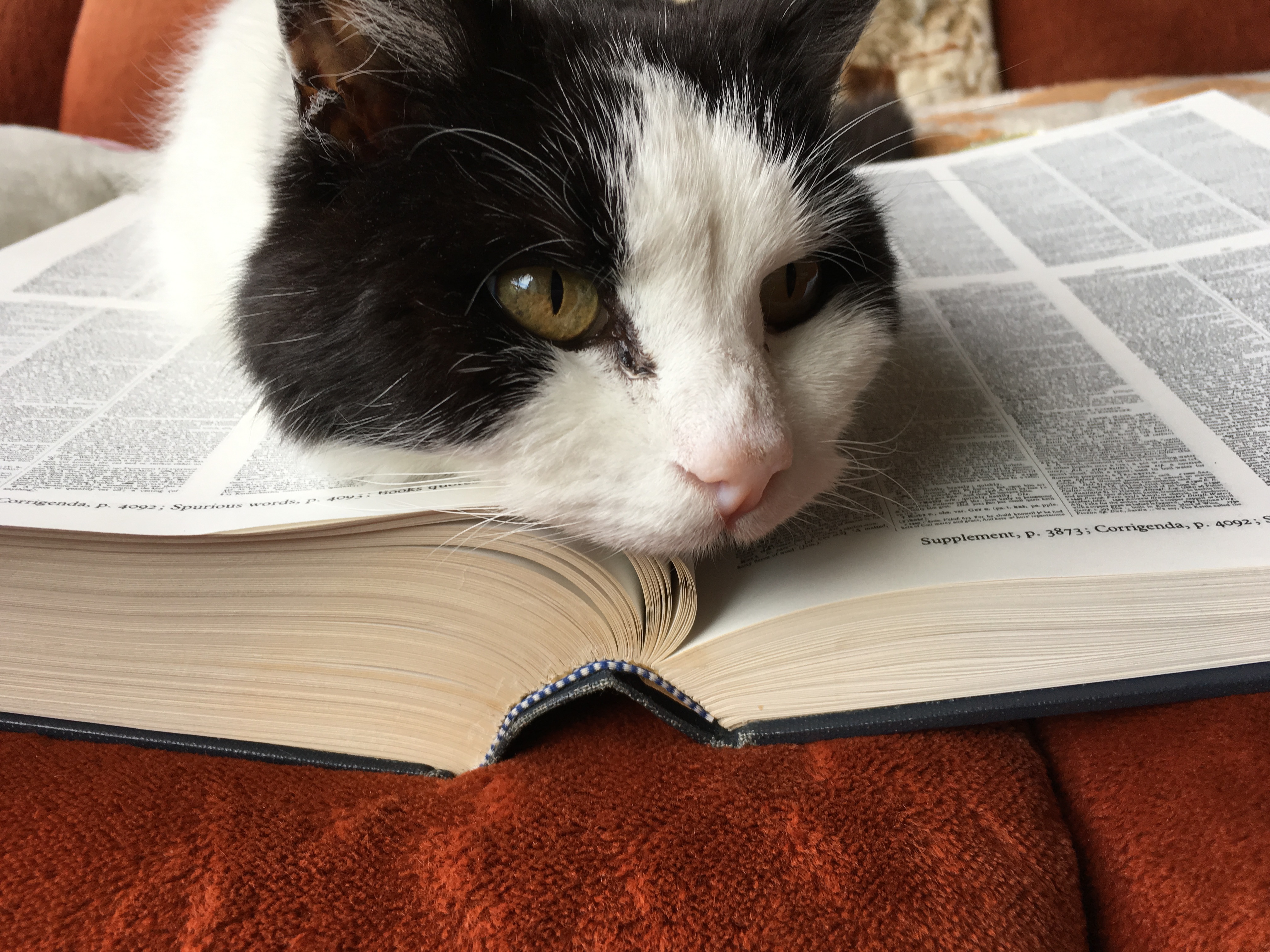
A sluggish day, not much writing but grateful that I’ve had such a good run.
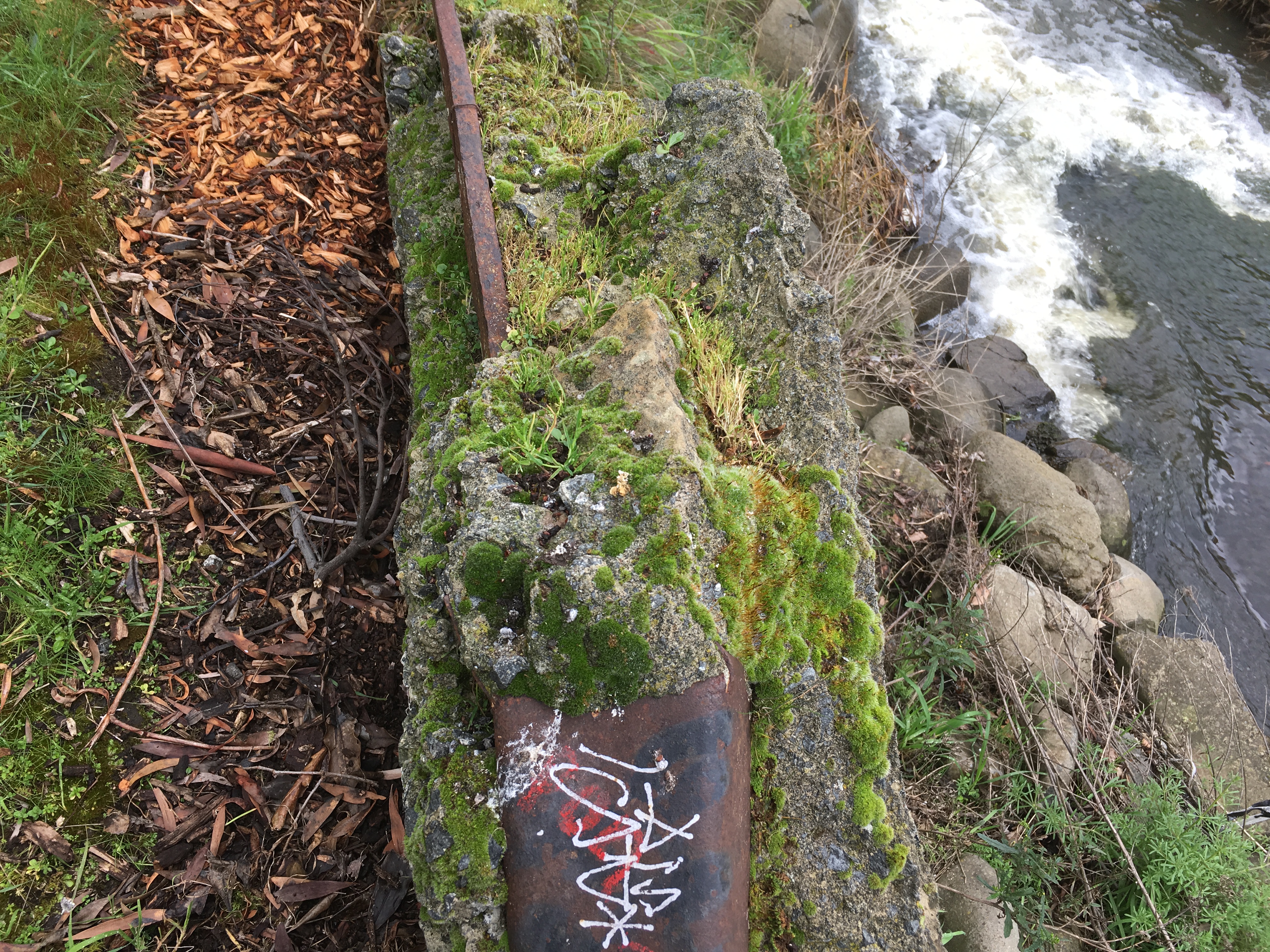
Remembering an adventure and thinking about the importance of subversiveness.
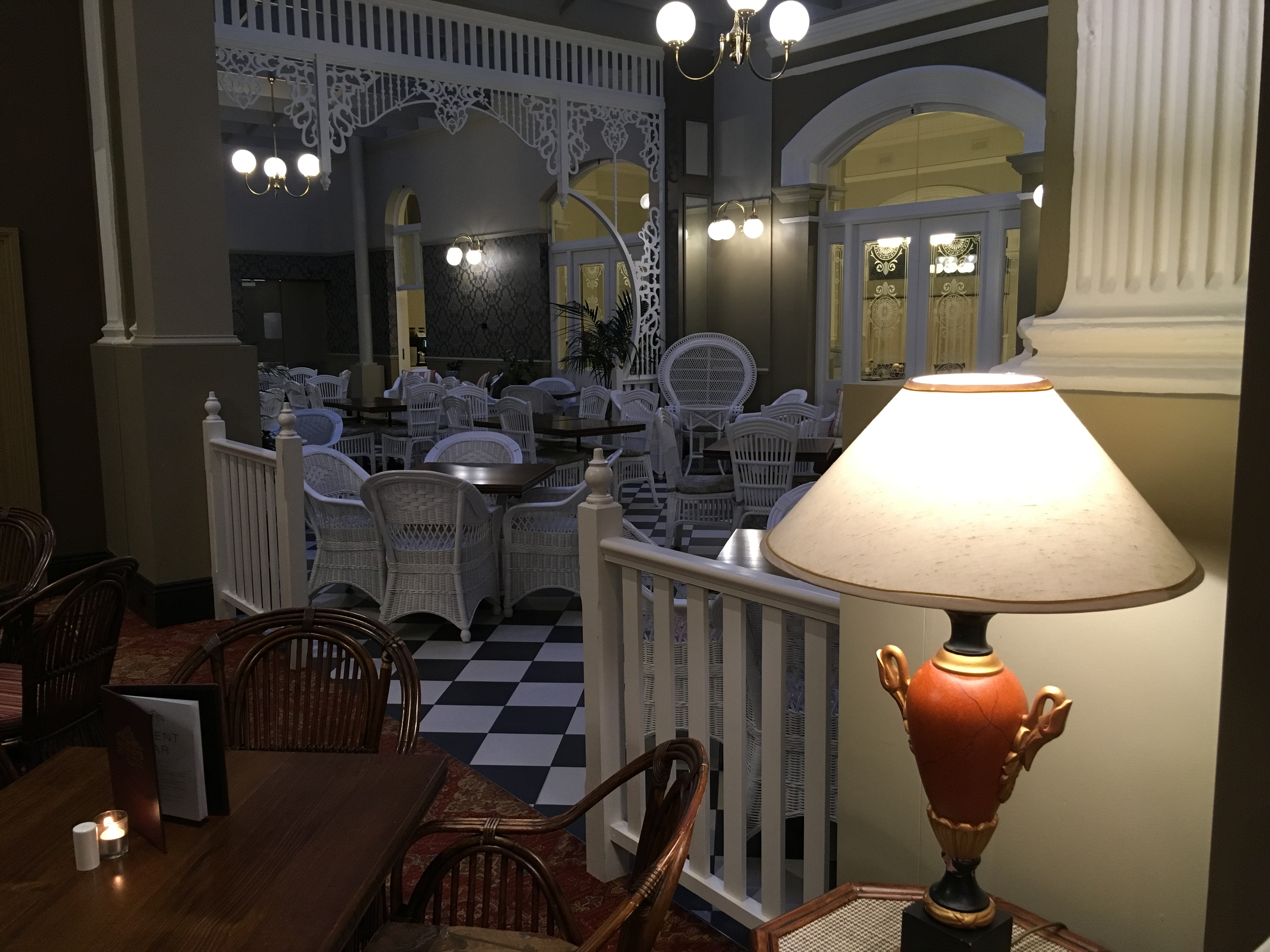
Appreciating a Monday off and being rather drowned out by mood music.

A gentle day of writing and looking for the hat I bought for the bell-ringing hatter’s dinner.
The rambling lost podcast from last Monday
And today’s podcast:
If I were a very tiny mole, a mole the size of a silverfish, I would make my burrow in Volume X. of Great Uncle Mole’s Oxford English Dictionary, not in any old place but quite specifically in the pages containing words beginning with ‘um’.
After I put murmurs to bed last week, it slowly dawned on me that in the writing of it I had fallen in love. I had fallen in love with my umbrella. I had fallen in love with the shadow it cast, the umbra, and the space it created, a space that was just mine, defined, even in motion. And I had fallen in love with ‘um’ words.
Um. Just those two letters provide a pause, suspend time while one’s mind takes its time to meander about for the right word, an apposite phrase, or for a thought to settle; it allows breathing space, time to step back and observe, to consider, or to delve deeper, so deep, sometimes, that the ‘um’ becomes an ‘om’, words disappear altogether and only breath remains.
Um was an unexpected comfort when I was a young mole, struggling with a strange new language. In German, ‘um’ is a kind of enabler, translating as something like ‘in order to’ or ‘so as to’, or it can mean ‘around’. It domesticated words whose meanings might otherwise have been frighteningly uncontained. As a prefix it allowed you to work with what you already had: umbauen – convert; umarbeiten – revise, rework; umbilden – re-form. Or it implied surroundings, metaphorical or real: Umgebung – neighbourhood, Umwelt – environment, Umstand – circumstance, Umgehen – circle around, keep company with, think about. I missed ‘um’ in English.
But now I find that it was there once. The same Old Norse roots gave us wonderful words. We had umbehold which is to observe and take in what is around you; it speaks to the material, local world, of what is within reach, within eye and ear shot but also, it feels to me, retains a sense of wonderment. Or how about the gentleness of umfold – to enclose, to shelter, to embrace; or to umbthink – to think about, consider, muse on, ponder; or umbedelve which is what a mole likes doing best. How could we have been so careless as to have lost these words four centuries or so ago?
And then, as my tiny mole-eyes slither down the entries of the OED, I come to all those shadow words, the ones that belong to the world beneath the umbrella’s canopy. Before the casting out of all those um and umb words, this sheltered space, like that provided by the foliage of a tree, would have been called an umbrage. It’s true that we haven’t actually lost that one, only its benign meaning. An umbrage came to represent a shadowy appearance, a ghostlike presence. It morphed into a suspicion, an inkling of something nasty in the metaphorical woodshed, and now, how can it be? – it represents a state of high dudgeon.
In the world umfolded within the umbrage of my umbrella, such later usages will have no place. It will be a space where umming is celebrated and within the pauses provided by the ums I shall occupy myself umbeholding the world as I wander through it and umbedelving in my molesoul to ponder its mysteries.
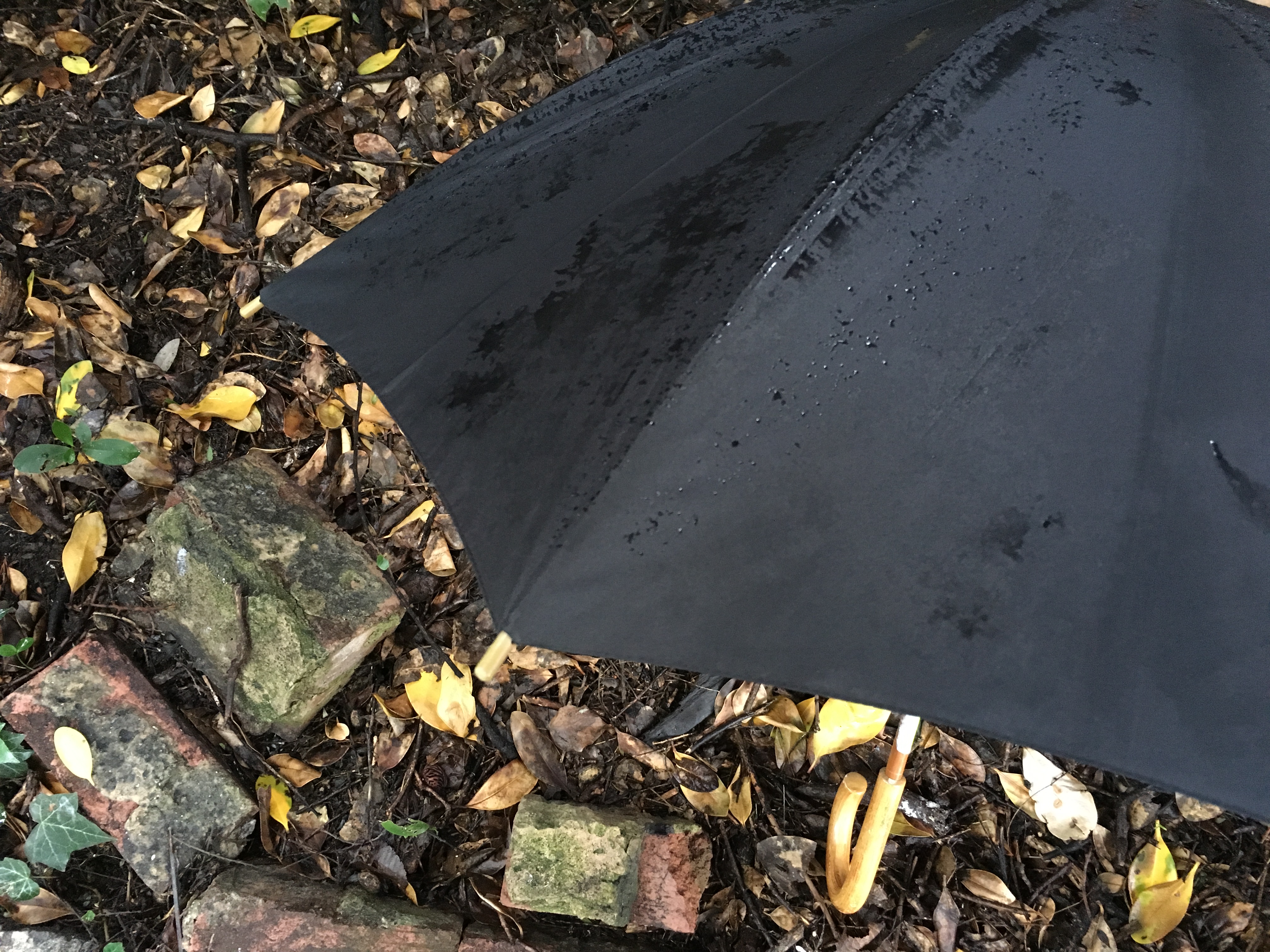
A wet day, perfect for writing; and pondering sharing the burrow.
(and podcast #437 is now the real one if you’d like to listen!)
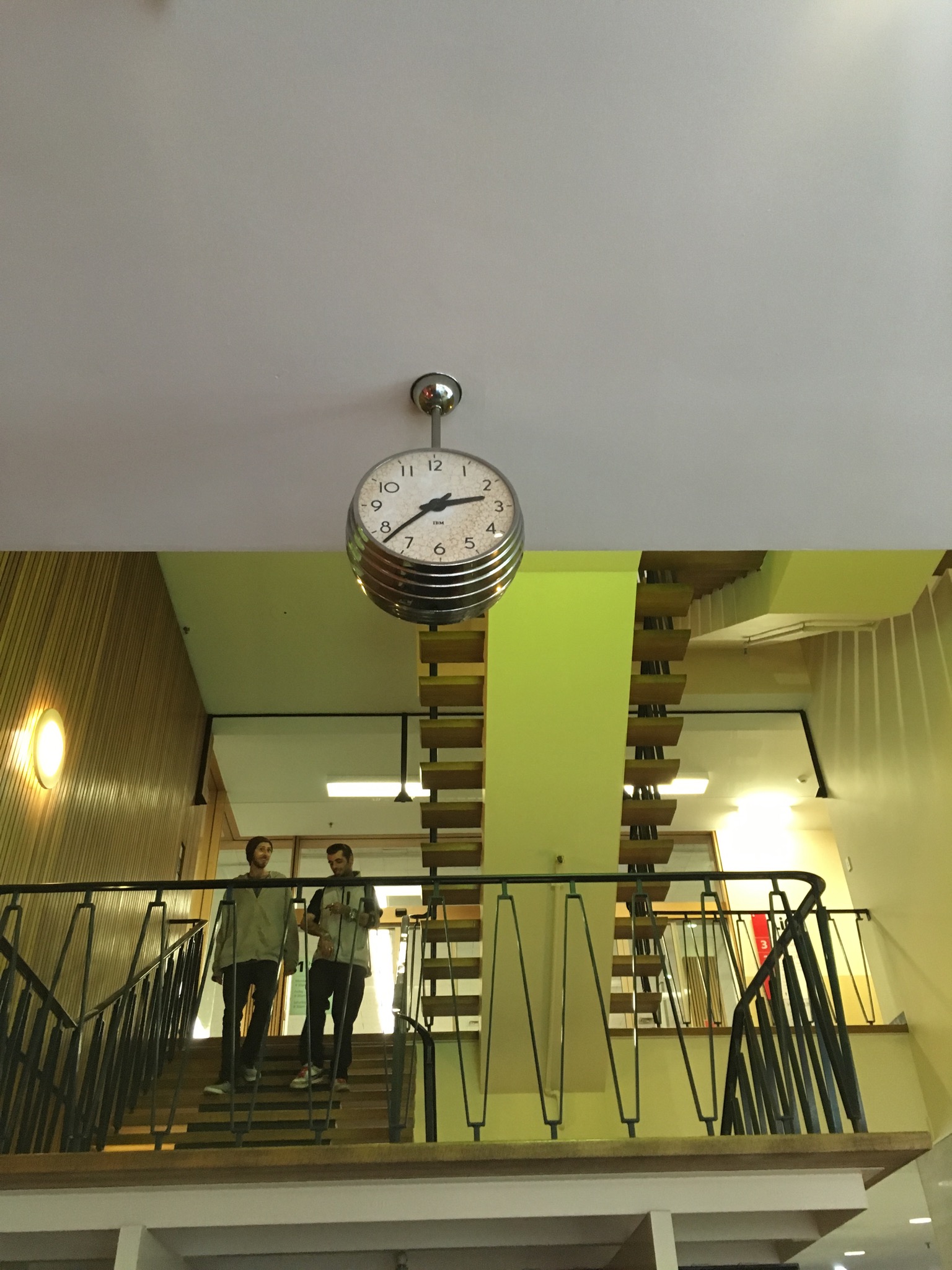
Rambling into town, rambling in my podcast, and thinking about Michael Nobbs’ and the importance of pauses.
This is now the real podcast #437!