Deadline met. Taking a midweek breather from the keyboard and regirding for the next couple of days.
Podcast: Play in new window | Download
Deadline met. Taking a midweek breather from the keyboard and regirding for the next couple of days.
Podcast: Play in new window | Download
Deadline. Overslept, went for a walk, have been writing ever since. Great day!
Podcast: Play in new window | Download
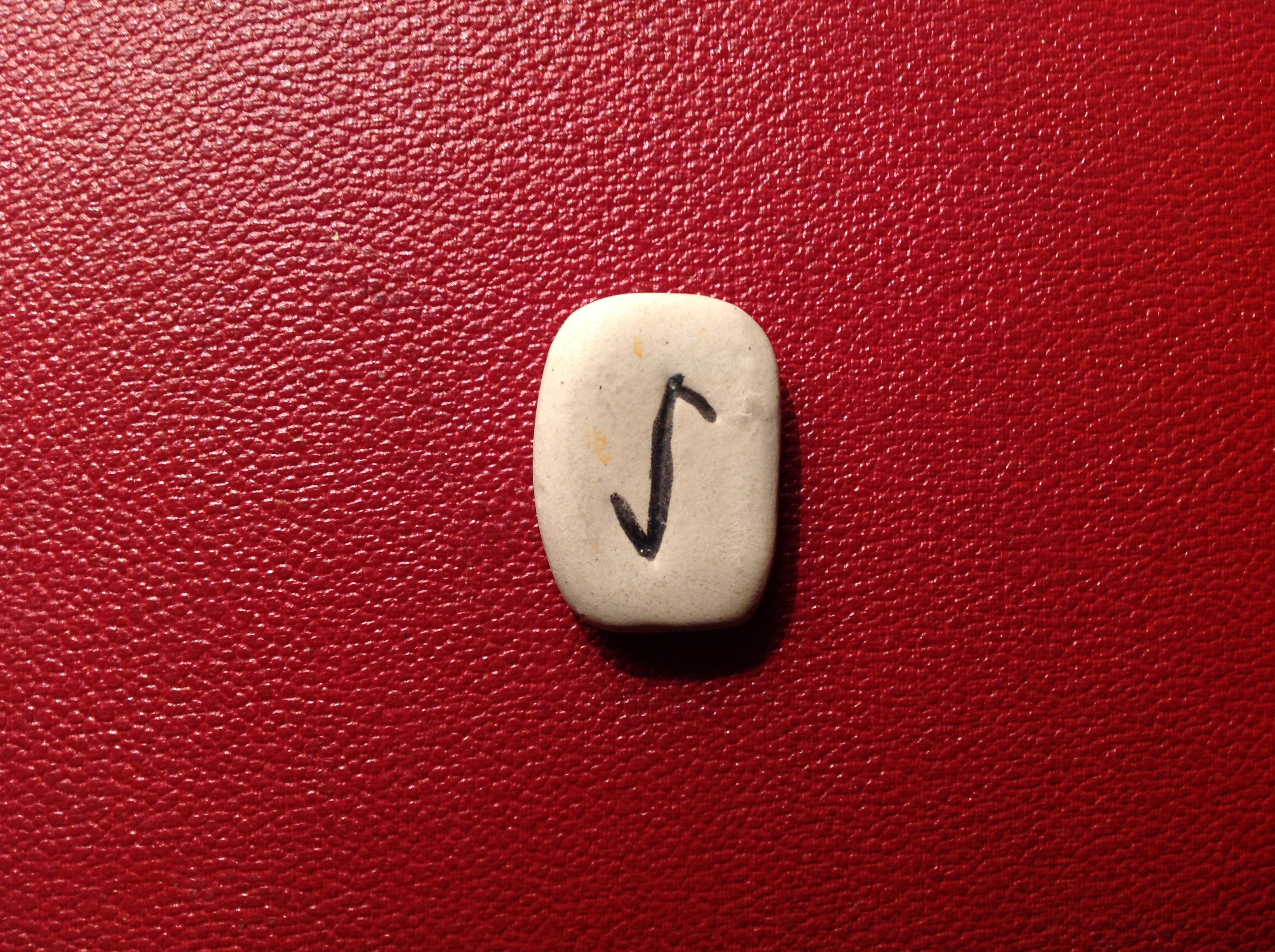
Pleasures and frustrations and the strange appearance of a rune.
Podcast: Play in new window | Download
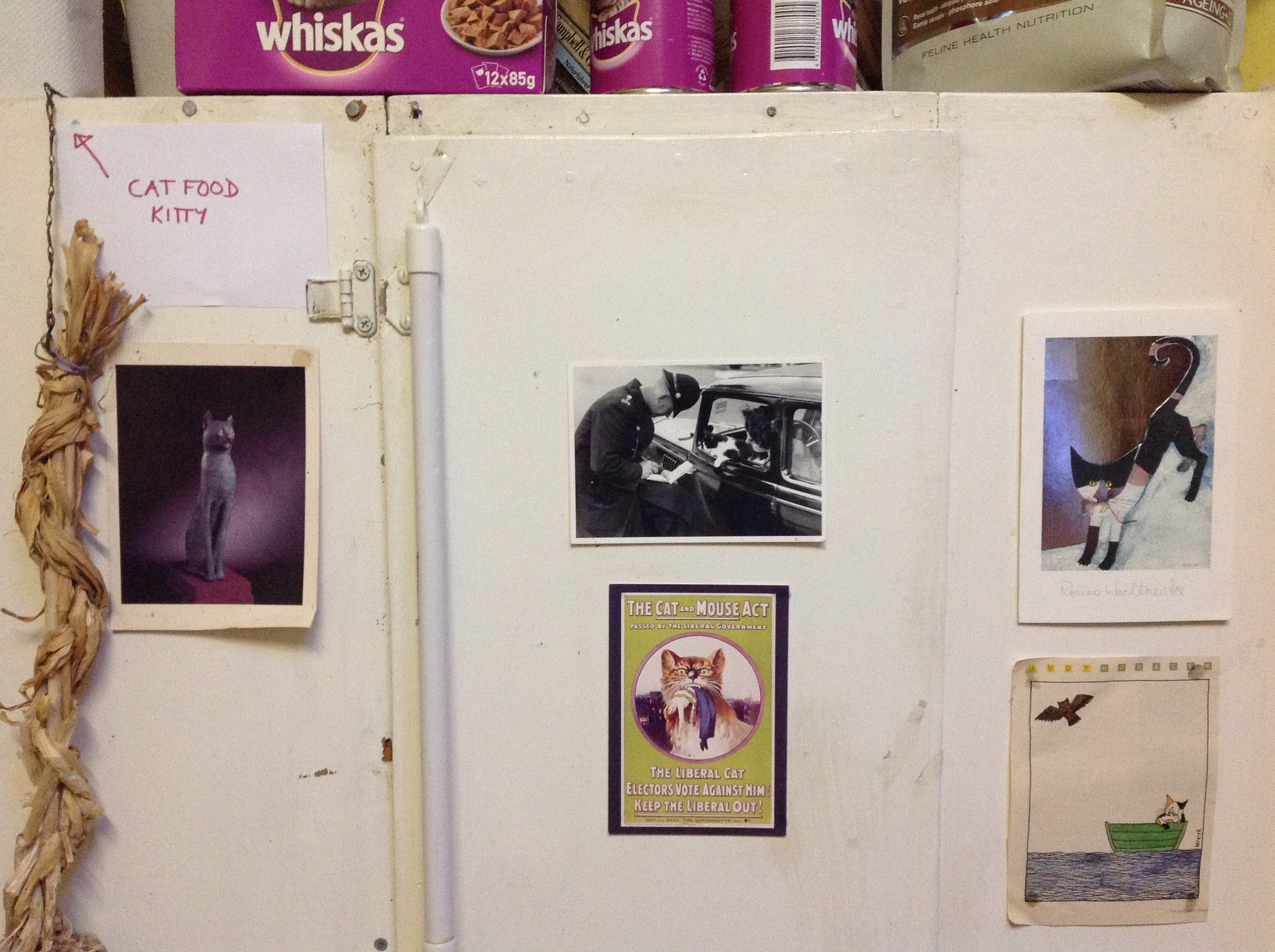
Cosying up with Boo on a very cold day, a potato baking in the oven and a Creativity Session with Michael Nobbs to look forward to.
Podcast: Play in new window | Download
The other night I was awakened by a crash and a rumble, and in my rush to turn on the bedside lamp I knocked my spectacles off the trolley. I’m not sure why I woke up. Crashes and rumbles in the night are common as muck; the roof is a highway for possums. They drop from the kauri tree on to a spot just above my bedroom ceiling and then hurtle to the other side of the burrow where the wiring to my neighbour’s shed provides a useful swing onto the silver-birch. Had there been some fisticuffs as well? Was that why I woke up? I don’t know, but the long and the short of it is that having woken up I’d knocked my spectacles off their allotted spot and in spite of several minutes of groping I could not locate them again.
That is why, at some nameless hour in the middle of the night I could be found crouched on the floor, head-torch strapped on, and peering at the landscape beneath my bed. It has to be said that the torch was worse than useless in my unbespectacled state, but a coat-hanger succeeded in hooking – well quite an array of lost objects and detritus; my spectacles, too, rather enhanced by a soft furring of dust.
Something about the position I was in, the hooking, and the underbelly of the bed took me back to Great Uncle Mole’s parental burrow. Of course I hadn’t known it when he’d lived there in his youth, only as it was in mine when Pipsqueak lived there. Pipsqueak was the youngest of the brothers and had never left home; never grown up according to Great Uncle Mole who was the eldest.
As far as his attitude towards dust went, Pipsqueak might be described as the Quentin Crisp of the mole world. It is indeed hard to see a new coating of dust if the sediment already four inches thick. The dust in Pipsqueak’s burrow made a mystery of all objects and itself morphed into strange shapes that insinuated themselves into a young mole’s lungs and imagination.
Pipsqueak was quite old when I knew him, although not nearly as old as Great Uncle Mole – but he had about him a sense of child-like dreaminess. He could be found watching a snail or a raindrop or a cloud for hours on end – and the dust shapes were for him things to be wondered at, not swept away. Great Uncle Mole who regularly took round hampers, despaired of Pipsqueak and would keep our visits to half-an-hour or less and make sure we were wearing bandannas around our snouts. Their Mama, he said, was a burrow-proud mole and would have wrung her paws at the sight of the place. She had been born within tunnelling distance of what had once been the Great King’s Cross Dust Mountain that inspired Dicken’s Mutual Friend, and dust was something to be fought tooth and claw. I remember Great Uncle Mole musing once that it was a pity there wasn’t the same sort of money in dust as there had been then. Dust and ash and cinders were turned into bricks, broken crockery and oyster shells went into road-building, rags morphed into paper. The King’s Cross dust mountain was cleared to build the station and sold to Moscow for a fortune in 1848. Everything always became something else.
Sometimes it still does. Well it always does, of course, but there are times when it is done with great deliberation. The Granby Workshop makes terazzo mantlepieces from the rubble of derelict houses in a way that honours the lives of the previous inhabitants. Catherine Bertola makes carpets of dust. Paul Hazelton takes dust to craft a woman scrubbing woman scrubbing. Jim Dinglian searches out discarded bottles by the roadside and old silver-plated tea-trays. He blackens them with candle smoke and creates images by working away at the soot. James Croak sweeps up gutters in Brooklyn to build his dirt men, and Jim Bachor fills potholes with mosaics.
I had no sense of it when I was a youngster visiting Pipsqueak with Great Uncle Mole, but now it comforts me that things crumble to dust and are then brought into being again.
Links to artworks:
Granby workshop:
http://www.granbyworkshop.co.uk
Catherine Bertola:
http://www.craftscouncil.org.uk/articles/cartherin-bertola-installing-a-carpet-of-dust/
Paul Hazelton:
http://paulhazelton.com/lady-of-burmarsh/.
Jim Dinglian:
http://www.packergallery.com/dingilian/
http://www.mckenziefineart.com/exhib/Dingilian2003exhb.html
James Croak:
http://www.jamescroak.com/html/dirtman/index.html
Jim Bachor:
http://www.bachor.com/#!pothole-installations/cmwt
Great King’s Cross Dust Mountain:
http://artdaily.com/news/45957/Filthy-New-Exhibition-at-the-Wellcome-Collection-in-London-Explores-Importance-of-Dirt#.V1p-YJBkmrW
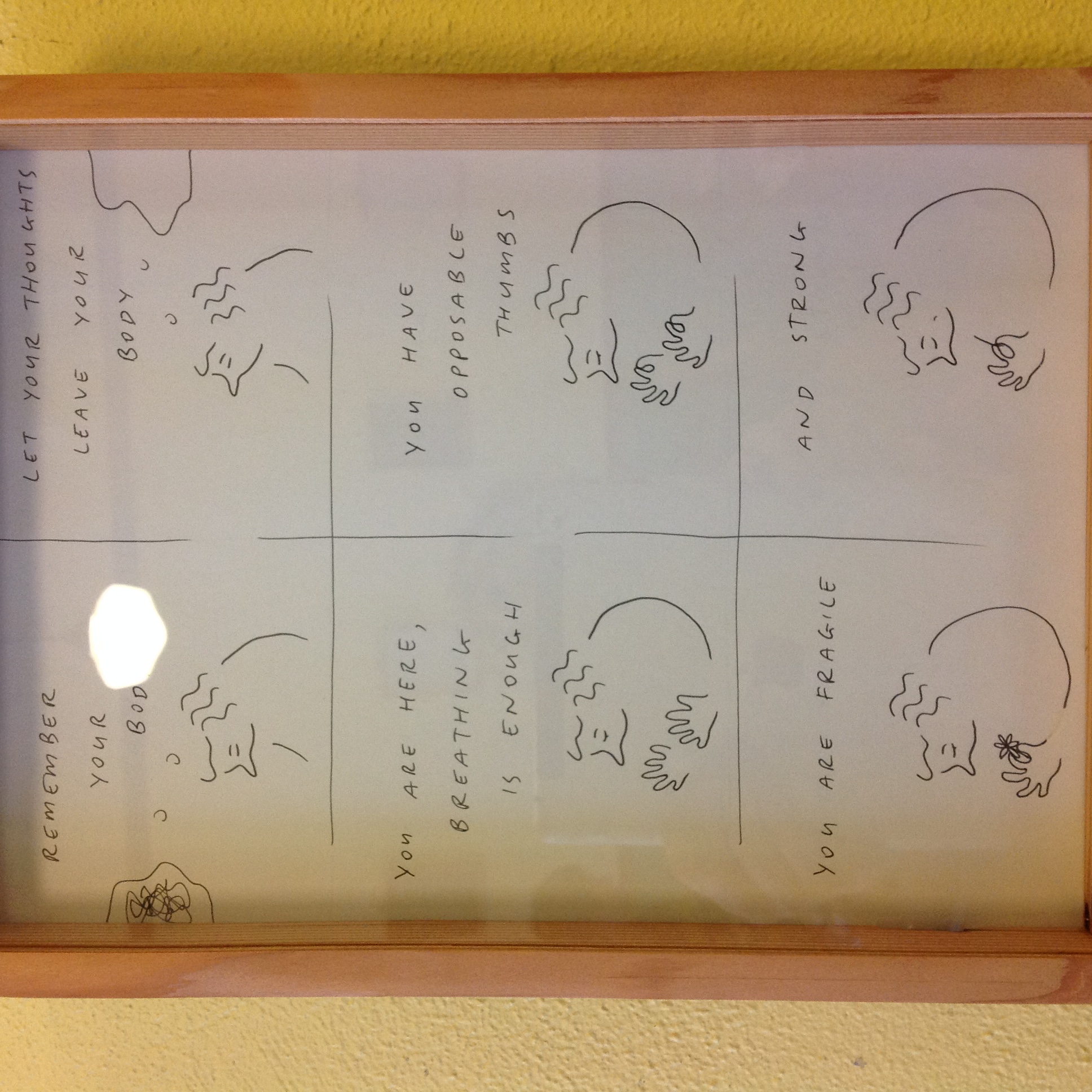
Enjoying trying to encapsulate a life in one page.
Podcast: Play in new window | Download
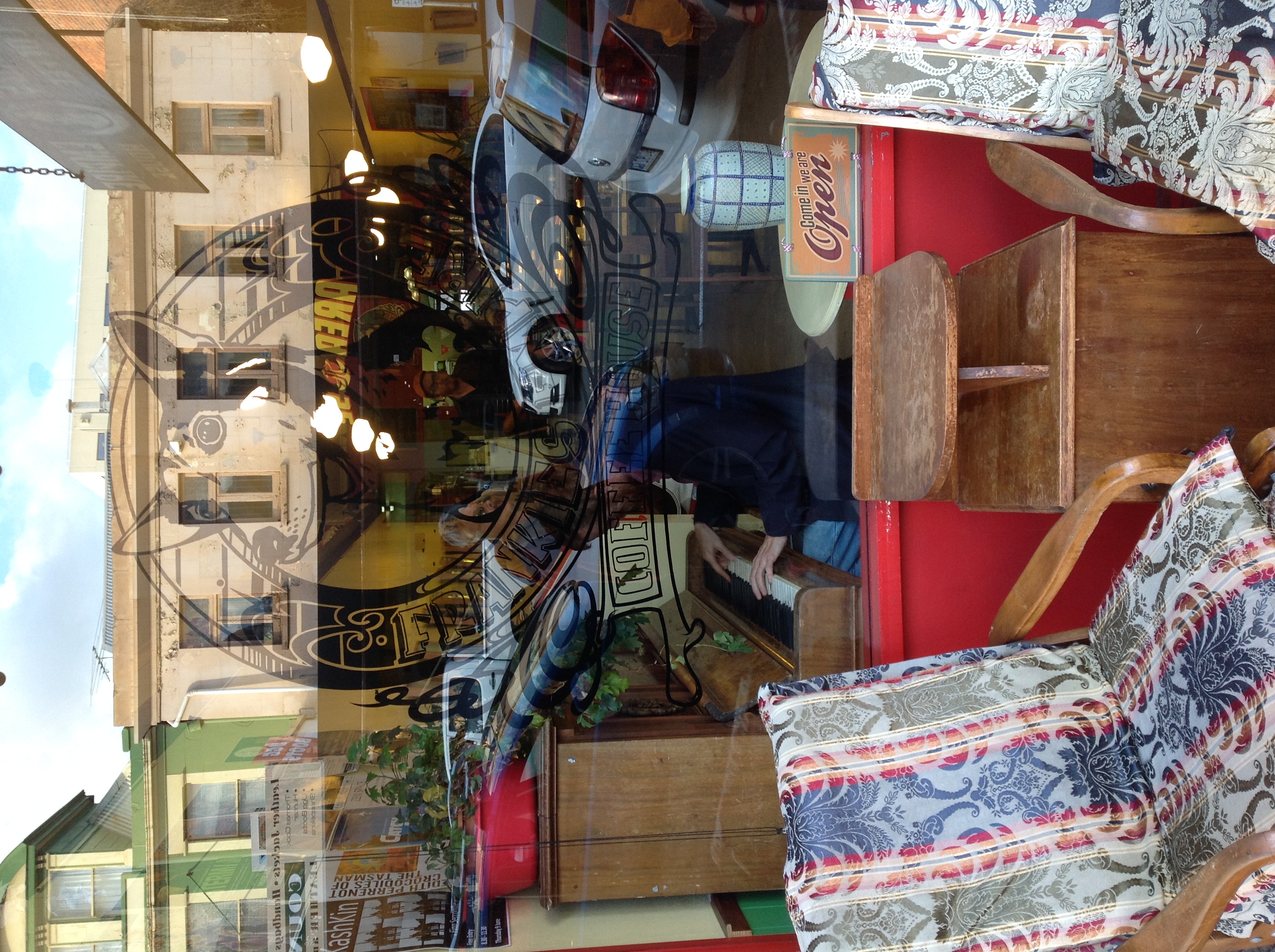
About fording torrents, or not and enjoying the spaces inbetween lines in Leonie Brialey’s work at Her Majesty’s Favourite Really Great Graphical Festival hub, Frankie’s Empire.
Podcast: Play in new window | Download

A night walk, a ring and back in the shed writing.
Bats in the Belfry
http://www.veronikawild.com
Podcast: Play in new window | Download